.
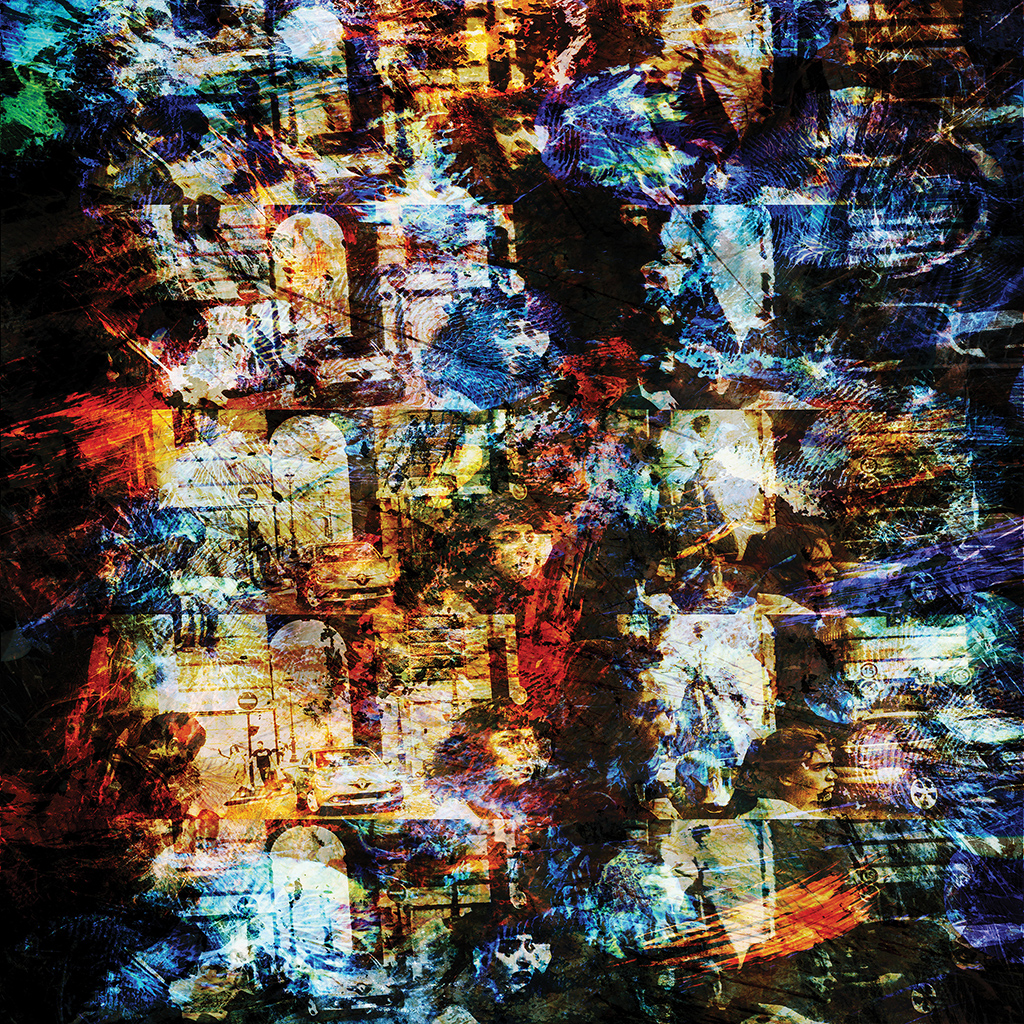
Natura postrzegania rzeczywistości jest zdeterminowana przez doświadczenia, przeżycia, emocje i rozumienie. Zmysły nie są biernymi odbiornikami rzeczywistości, ale aktywnymi narzędziami do eksploracji świata, do uczestnictwa i panowania nad nim. Współdziałają ze sobą, ukształtowane przez całość życiowych doświadczeń, zagarniają rzeczywistość, ustanawiają w ruchu percepcji intuicyjny ogląd świata. Aktywność ludzkiej percepcji to ekspresyjna czynność budowania postrzeganej rzeczywistości. Obrazy nie mają opowiadać, ani zakładać żadnej narracji, czy – jak to nazywa Lyotard – intrygi. Nie ma tutaj żadnej historii. Historie i narracje opierają się na zadośćuczynieniu pragnieniu, które same wywołują. Wciągają odbiorcę, po czym same poddają się jego pragnieniu. Chcą być nośne, popularne i powielane. Zawsze muszą mieć the end, które rozwiązuje tajemnicę początku, nieważne, czy znaną odbiorcy, czy nie. Pragnienie jednak zna wyłącznie przeznaczenie i intrygę, ignoruje obecność, a opowiadanie nie pozwala na refleksję. Zebrane fotografie codzienności, fragmenty rzeczywistości są przetworzone by pozbawić je odniesienia w przestrzeni i czasie, by zdekonstruować ich referencję. W pracy nie ma z góry założonego efektu wizualnego, żadnej narracji ani tematyki. Cała aktywność jest pozostawiona odbiorcy, to on ma ujmować fragmenty obrazu i wiązać je jednością swojego postrzegania.
The nature of perceiving reality is determined by experiences, emotions, and understanding. The senses are not passive receivers of reality, but active tools for exploring the world, for participating in and controlling it. They interact with each other, shaped by the totality of life experiences, they seize reality, establish an intuitive view of the world in the movement of perception. The activity of human perception is the expressive act of building the perceived reality. The images are not meant to tell or assume any narrative or – as Lyotard calls it – intrigue. There is no history here. The stories and narratives are based on the satisfaction of a desire that they themselves evoke. They draw the recipient in, and then succumb to his desire. They want to be carrying, popular and duplicated. They must always have an end that solves the mystery of the beginning, whether known to the recipient or not. Desire, however, knows only destiny and intrigue, ignores presence, and the story does not allow for reflection. Collected photographs of everyday life, fragments of reality are processed to deprive them of reference in space and time, to deconstruct their reference. There is no pre-defined visual effect in the work, no narrative or subject matter. All activity is left to the recipient, he is to capture the fragments of the picture and bind them with the unity of his perception.
digital prints, 6 works 60 x 60 cm
.

.

.

.

.

 Maciej Skawiński